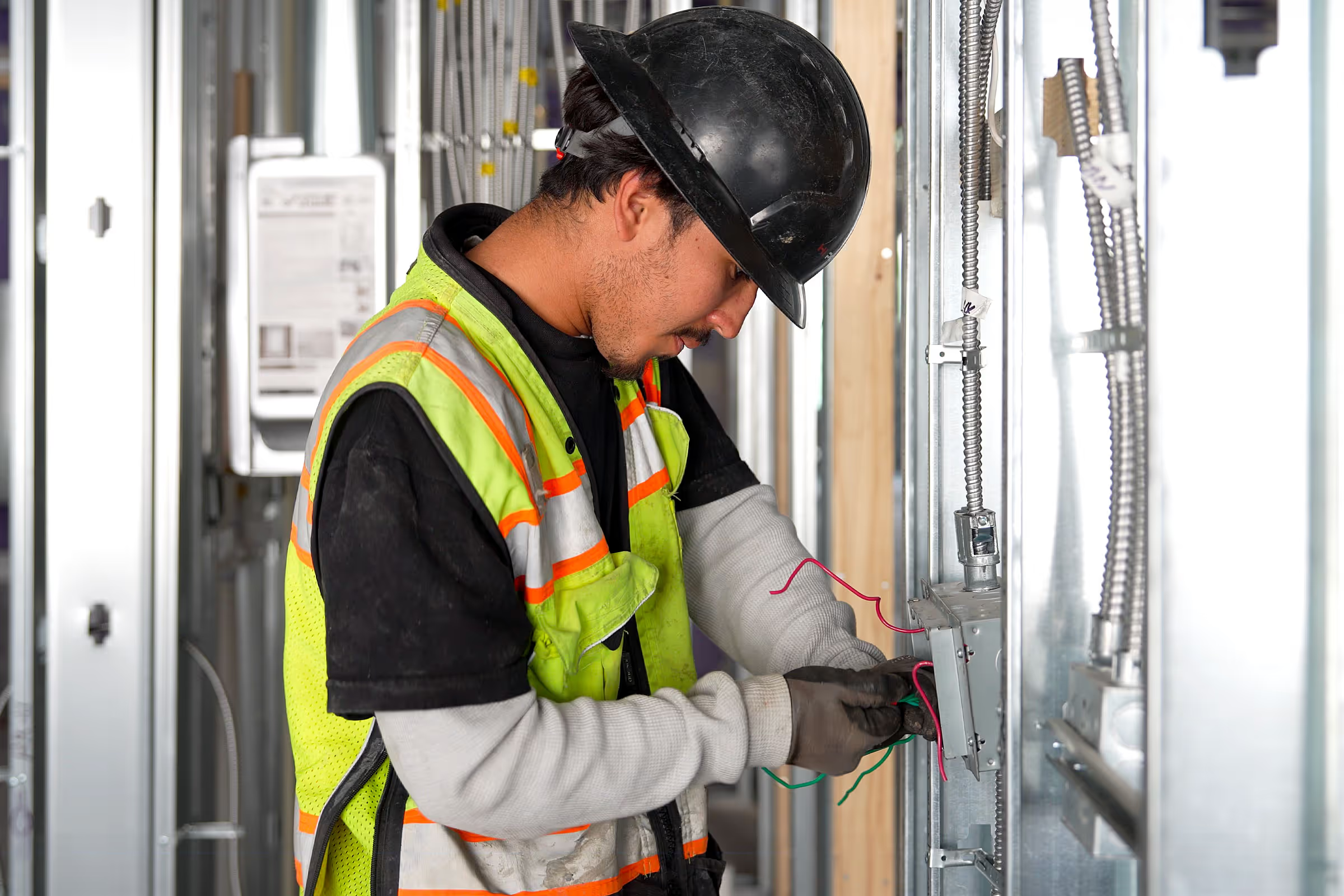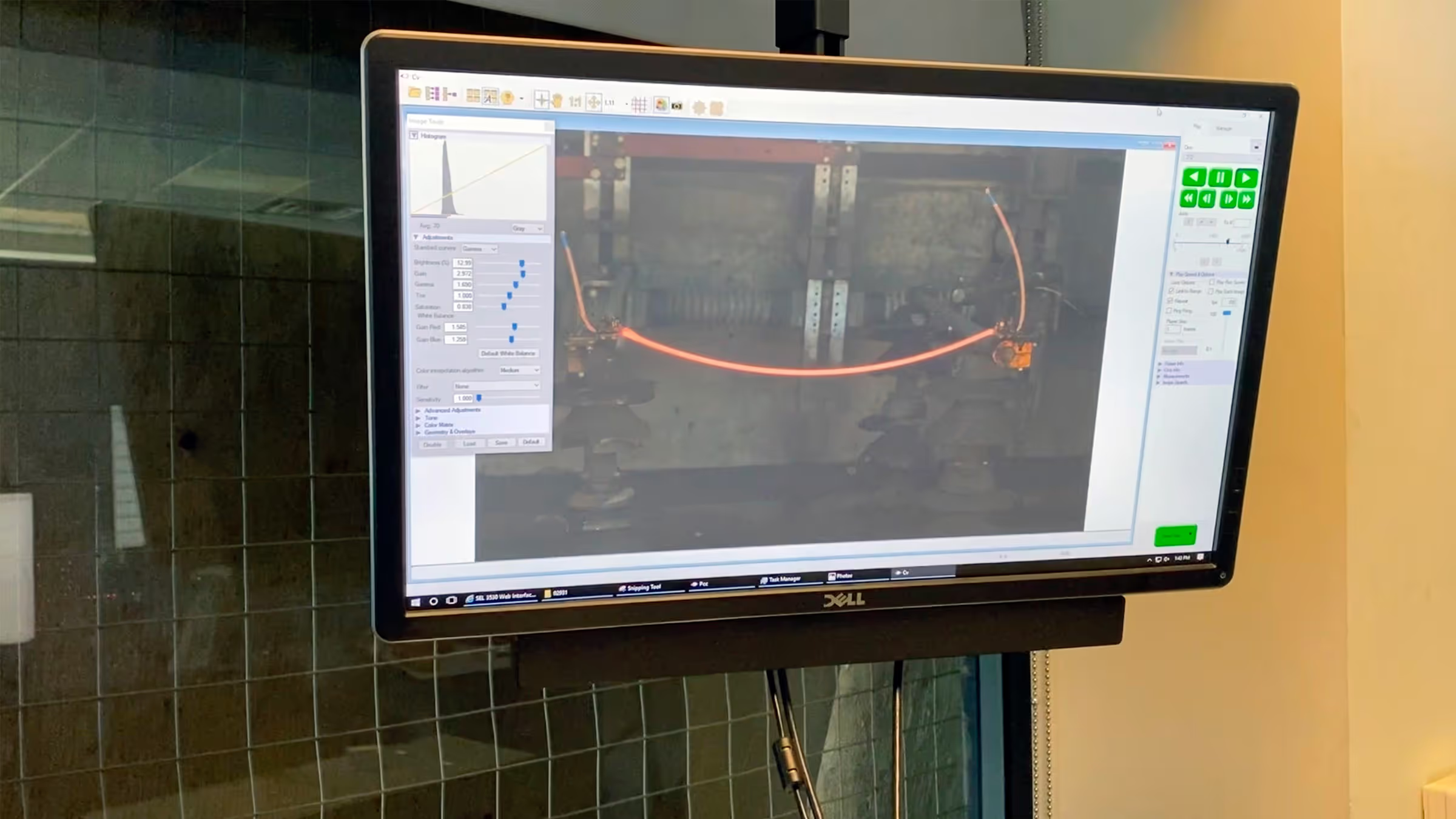

Before investigating new conductor designs, Copperweld engineers first needed confidence that the laboratory methods used to evaluate short-circuit performance would consistently produce accurate and repeatable results.
Using archived reports from testing originally performed in the early 1970s, engineers reconstructed the historical methodology while incorporating modern instrumentation capable of more precisely controlling current duration and documenting conductor performance. Although certain details of the original testing—such as conductor orientation—had been lost over time, the team carefully recreated the process using the best available historical records and sound engineering judgment.
The results closely mirrored the original findings. Conductors exhibited the same performance characteristics observed decades earlier, providing strong evidence that the methodology remained valid across different laboratories, equipment, and generations of engineers. Establishing this repeatable testing foundation gave Copperweld the confidence to move forward with a broader research program focused on Copper-Clad Steel grounding conductors.
With a repeatable testing methodology established, attention turned to an unexpected discovery hidden within Copperweld's own history: decades of engineering data that deserved another look.

Copperweld's friendly sales team is ready to fill your order or help you select products to deliver the performance you need.
Follow us on your favorite social platforms:





Sign up for Copperweld news to learn about the latest industry updates, events, product releases, videos and technical documents.
Lorem ipsum dolor sit amet, consectetur adipiscing elit, sed do eiusmod tempor incididunt ut labore et dolore magna aliqua. Ut enim ad minim veniam, quis nostrud exercitation ullamco laboris nisi ut aliquip ex ea commodo consequat. Duis aute irure dolor in reprehenderit in voluptate velit esse cillum dolore eu fugiat nulla pariatur.
Copperweld's friendly sales team is ready to fill your order or help you select products to deliver the performance you need.
Follow us on your favorite social platforms:
Sign up for Copperweld news to learn about the latest industry updates, events, product releases, videos and technical documents.