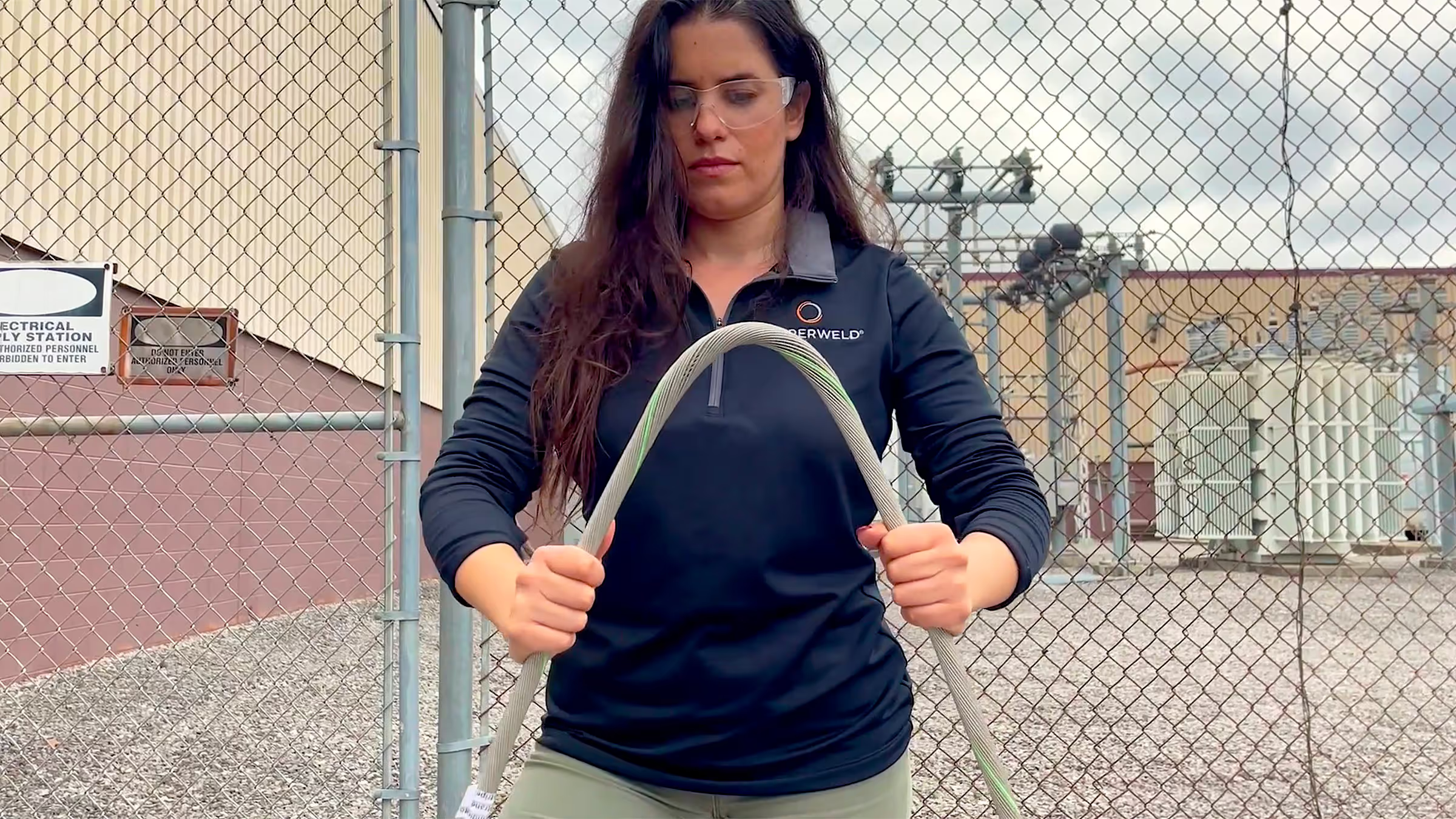

After establishing a deeper understanding of grounding conductor performance through laboratory testing, Copperweld engineers identified an opportunity to rethink one of the defining characteristics of Copper-Clad Steel (CCS) grounding conductors: flexibility.
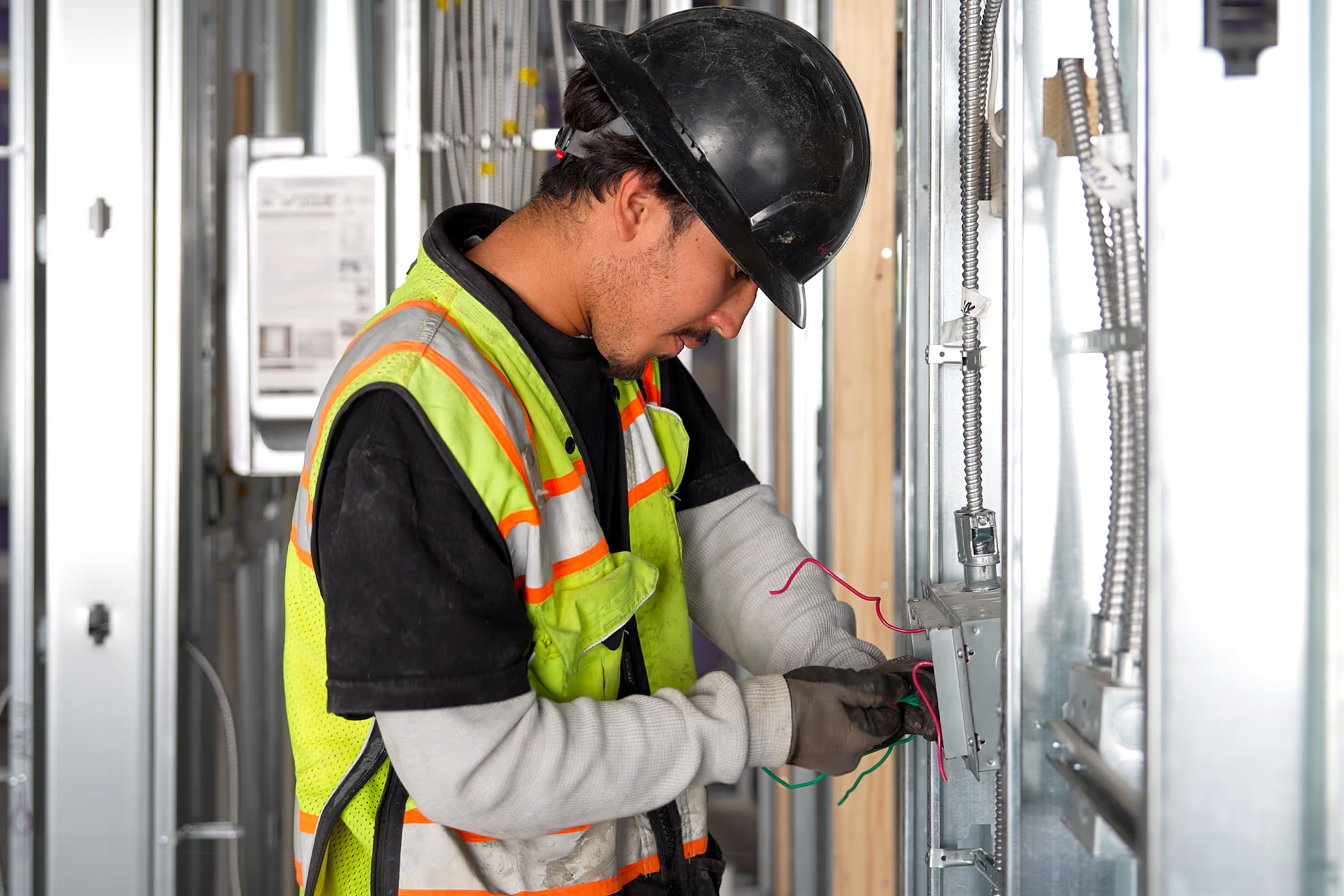
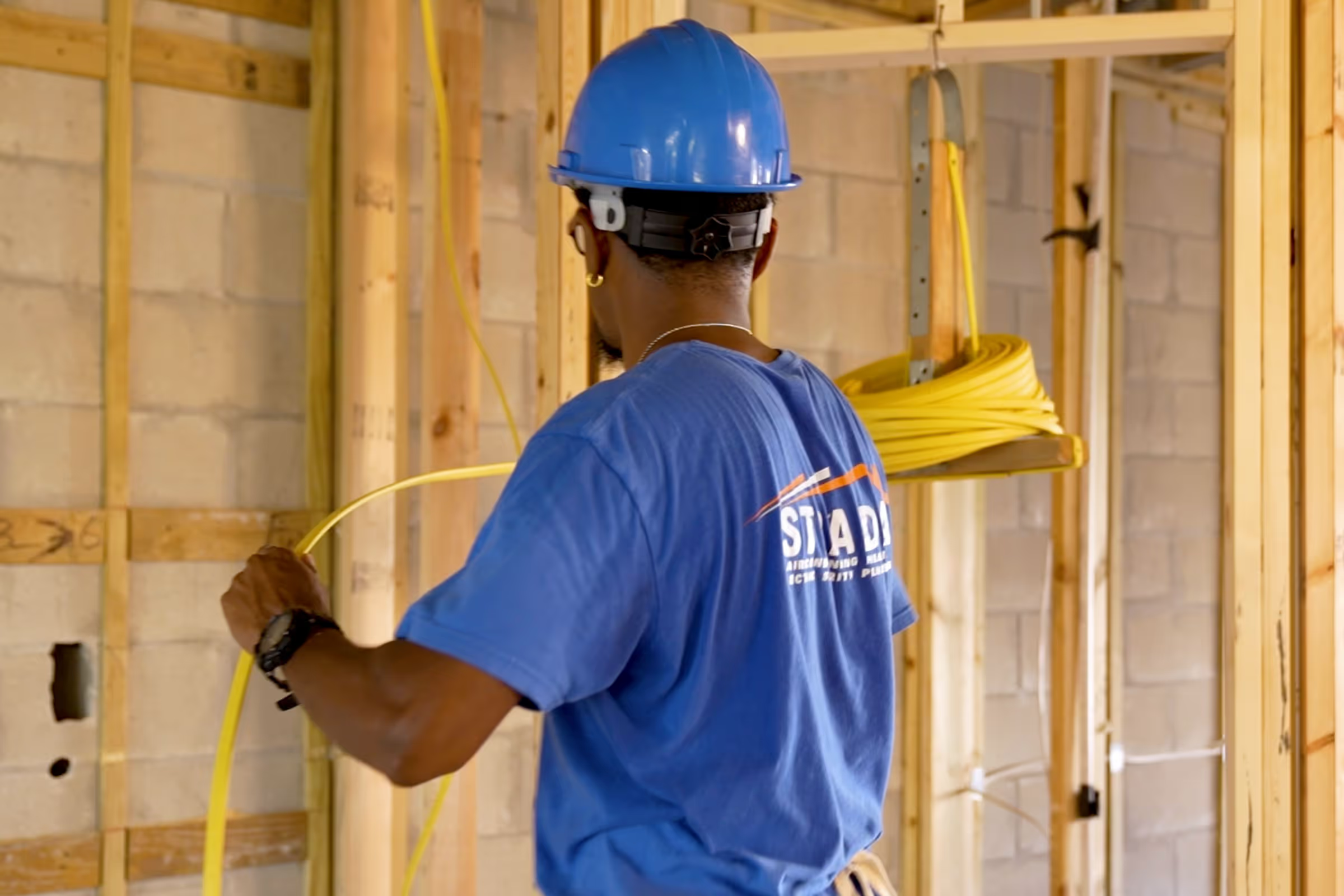
Traditional CCS grounding conductors have long been valued for their mechanical strength and durability. However, field experience and customer feedback revealed an opportunity to improve installation without sacrificing the resilience that makes CCS well suited for substation grounding applications. By increasing strand count and optimizing conductor construction, engineers discovered a configuration that maintained the strength advantages of steel while significantly improving handling characteristics during installation.
Those discoveries ultimately led to ArcAngel®, a new family of high-strand-count Copper-Clad Steel grounding conductors engineered specifically for modern substations. Rather than optimizing a single performance characteristic, ArcAngel represents the balance of electrical performance, mechanical reliability, flexibility, corrosion resistance, and long-term value that the research program had been pursuing from the beginning.
Improving flexibility was only one objective. The next challenge was establishing a clear set of engineering targets that would guide every remaining design decision.

Copperweld's friendly sales team is ready to fill your order or help you select products to deliver the performance you need.
Follow us on your favorite social platforms:





Sign up for Copperweld news to learn about the latest industry updates, events, product releases, videos and technical documents.
Lorem ipsum dolor sit amet, consectetur adipiscing elit, sed do eiusmod tempor incididunt ut labore et dolore magna aliqua. Ut enim ad minim veniam, quis nostrud exercitation ullamco laboris nisi ut aliquip ex ea commodo consequat. Duis aute irure dolor in reprehenderit in voluptate velit esse cillum dolore eu fugiat nulla pariatur.
Copperweld's friendly sales team is ready to fill your order or help you select products to deliver the performance you need.
Follow us on your favorite social platforms:
Sign up for Copperweld news to learn about the latest industry updates, events, product releases, videos and technical documents.