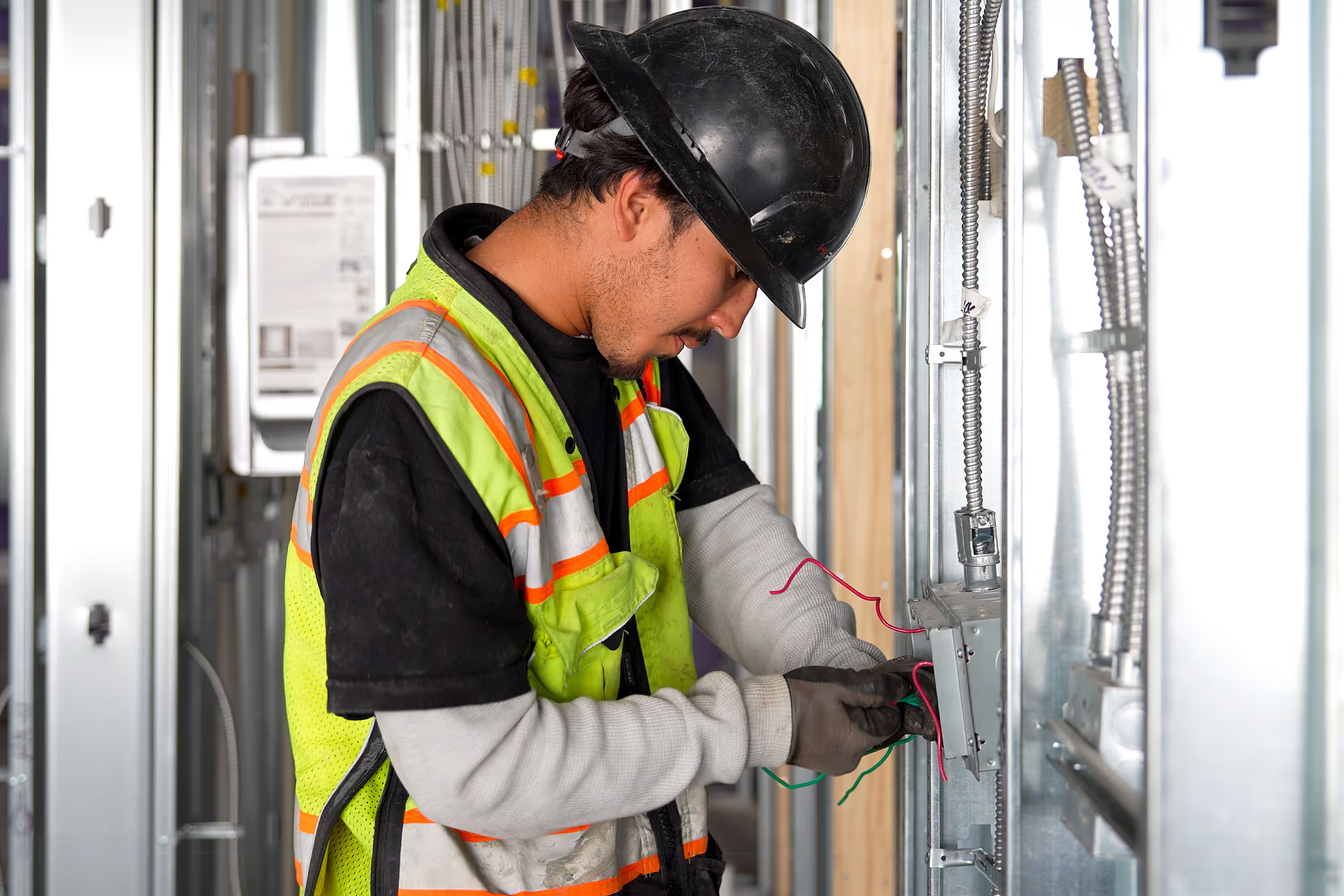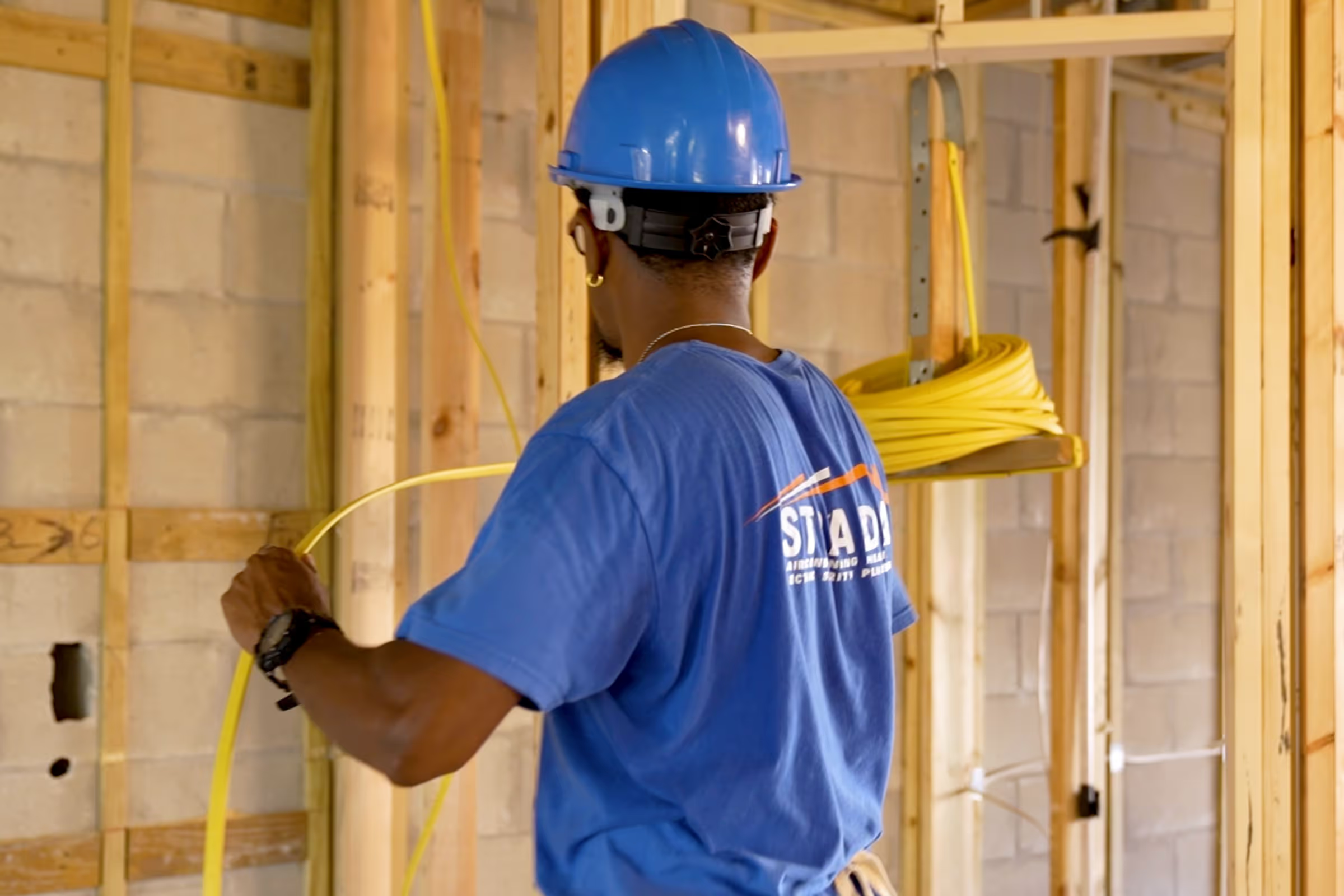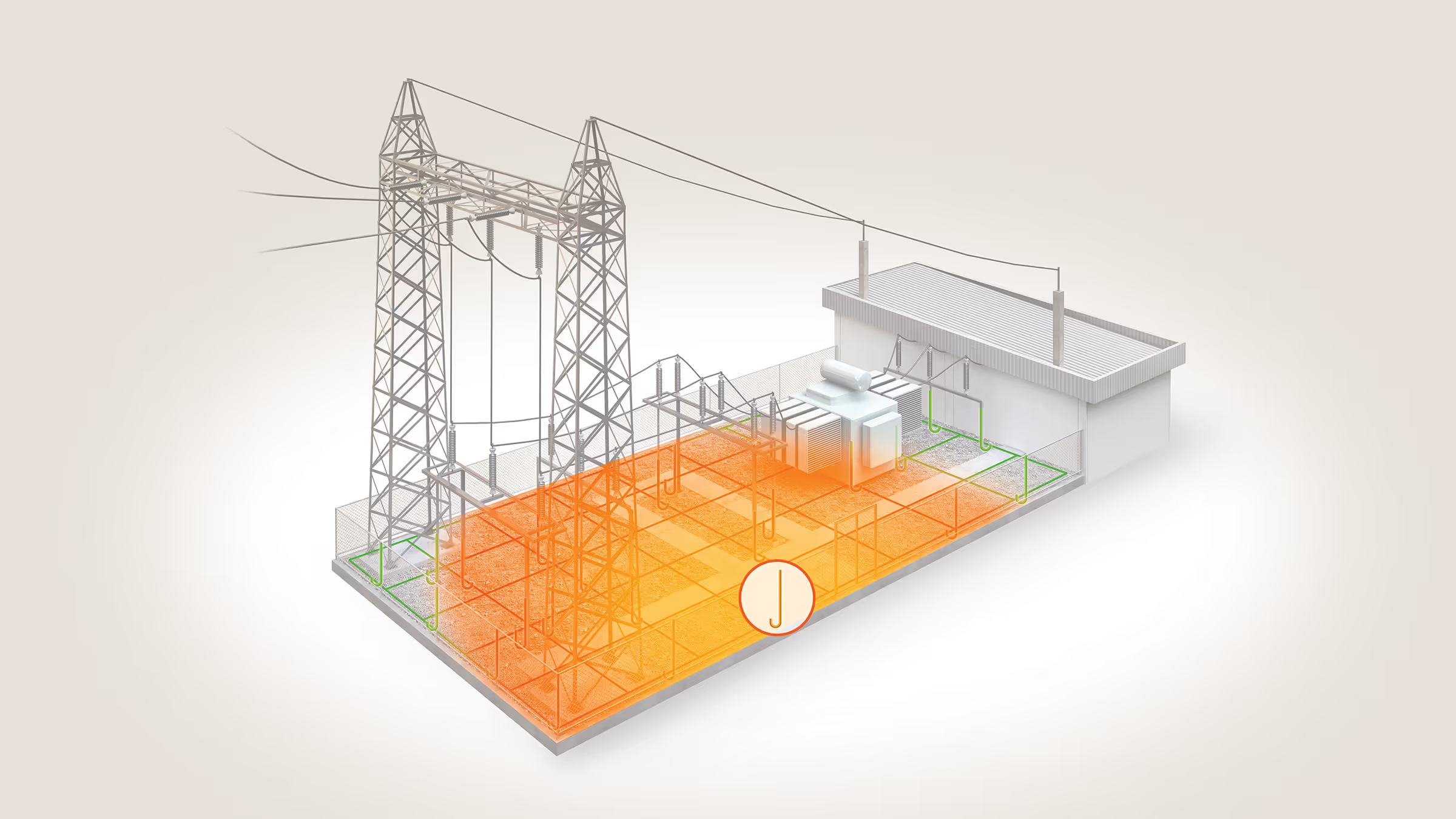

For electric utilities, the greatest expense is often repairing the damage left behind. Grounding systems, perimeter fencing, equipment foundations, and other critical substation infrastructure can all be damaged when thieves remove grounding conductors, creating significant repair costs, operational disruptions, and potential safety concerns.
In this video, a veteran utility professional shares firsthand experience responding to a major substation theft where approximately 3,000 feet of grounding conductor was forcibly removed, leaving extensive damage throughout the site. The incident illustrates a challenge utilities across North America continue to face: the true financial impact of copper theft is driven by labor, reconstruction, outages, and restoration — not simply the scrap value of the stolen conductor. Industry studies have shown these repair costs can reach up to 100 times the value of the recovered copper.
Because of these realities, many utilities have adopted Copperweld® Copper-Clad Steel (CCS) grounding conductors as part of a broader asset protection strategy. By combining copper conductivity with a high-strength steel core, CCS conductors provide the electrical performance required for grounding applications while offering significantly less scrap value than solid copper, helping reduce theft incentives without compromising system performance.


Copperweld's friendly sales team is ready to fill your order or help you select products to deliver the performance you need.
Follow us on your favorite social platforms:





Sign up for Copperweld news to learn about the latest industry updates, events, product releases, videos and technical documents.
Lorem ipsum dolor sit amet, consectetur adipiscing elit, sed do eiusmod tempor incididunt ut labore et dolore magna aliqua. Ut enim ad minim veniam, quis nostrud exercitation ullamco laboris nisi ut aliquip ex ea commodo consequat. Duis aute irure dolor in reprehenderit in voluptate velit esse cillum dolore eu fugiat nulla pariatur.
Copperweld's friendly sales team is ready to fill your order or help you select products to deliver the performance you need.
Follow us on your favorite social platforms:
Sign up for Copperweld news to learn about the latest industry updates, events, product releases, videos and technical documents.